
Introduction: What Is TaskUs TimeWarp and Why It Matters
In today’s fast-moving digital work culture, productivity isn’t just about working harder—it’s about working smarter. That’s where TaskUs TimeWarp enters the conversation. While the name might sound futuristic, the concept behind it is grounded in a very real need: optimizing time, improving efficiency, TaskUs TimeWarp and enhancing employee performance without burning people out.
TaskUs TimeWarp represents a structured approach to time management and workflow optimization within high-performance environments, particularly in industries like customer support, content moderation, and digital services. It’s not just a tool or a single feature—it’s more like a philosophy backed by systems, analytics, and behavioral insights.
At its core, TimeWarp is about compressing inefficiencies. Instead of letting time slip through poorly managed tasks, redundant processes, or unclear priorities, it reshapes how time is used. The result? Faster outputs, better quality, and more engaged teams.
The importance of something like TimeWarp becomes clear when you look at modern workplace challenges. Remote work, global teams, and increasing workloads have made time management more complex than ever. Employees are juggling multiple tools, tasks, and expectations. Without a clear system, productivity can quickly become chaotic. TimeWarp aims to bring order to that chaos.
The Core Concept Behind TimeWarp
To understand TimeWarp, you have to move beyond the idea of traditional time tracking. TaskUs TimeWarp This isn’t about logging hours or monitoring activity—it’s about maximizing the value of every minute spent on a task.
The concept revolves around identifying “time leaks.” These are small inefficiencies that add up over the course of a day: switching between tools, waiting for approvals, unclear instructions, or even mental fatigue. TimeWarp focuses on eliminating or reducing these leaks through smarter workflows and better task structuring.
Another key aspect is workflow acceleration. Instead of approaching tasks linearly, TimeWarp encourages parallel thinking and optimized sequencing. For example, tasks that can be prepared in advance are handled proactively, reducing idle time later. This creates a smoother, faster workflow overall.
There’s also a strong emphasis on data-driven optimization. TaskUs TimeWarp systems often rely on performance metrics, historical data, and real-time insights to refine how tasks are assigned and executed. This means decisions aren’t based on guesswork—they’re backed by measurable outcomes.
What makes TimeWarp stand out is how it blends technology with human behavior. It doesn’t just automate processes; it adapts to how people actually work. This balance is what makes it both effective and sustainable.
How TimeWarp Enhances Employee Productivity
One of the biggest misconceptions about productivity systems is that they push people to work harder. In reality, TimeWarp does the opposite—it helps people work more efficiently with less unnecessary effort.
First, it reduces cognitive overload. When employees know exactly what to focus on and when, they spend less time deciding what to do next. This clarity improves both speed and accuracy. Instead of multitasking inefficiently, they can focus deeply on one task at a time.
Second, TimeWarp improves task prioritization. TaskUs TimeWarp Not all tasks are equally important, but in many workplaces, everything feels urgent. TimeWarp systems help distinguish between high-impact and low-impact work, ensuring that energy is spent where it matters most.
Another major benefit is the reduction of downtime. In many workflows, employees experience small gaps between tasks—waiting for feedback, searching for information, or dealing with system delays. TimeWarp minimizes these gaps by streamlining communication and pre-loading necessary resources.
It also supports continuous improvement. By analyzing performance data, employees and managers can identify patterns and refine workflows over time. This creates a feedback loop where productivity keeps improving rather than stagnating.
Perhaps most importantly, TimeWarp can boost morale. When employees feel productive and in control of their work, they’re more engaged and less stressed. That’s a win for both individuals and organizations.
The Role of Technology in TimeWarp
Technology is a crucial enabler of TimeWarp, but it’s not the whole story. The real value comes from how technology is used—not just what tools are involved.
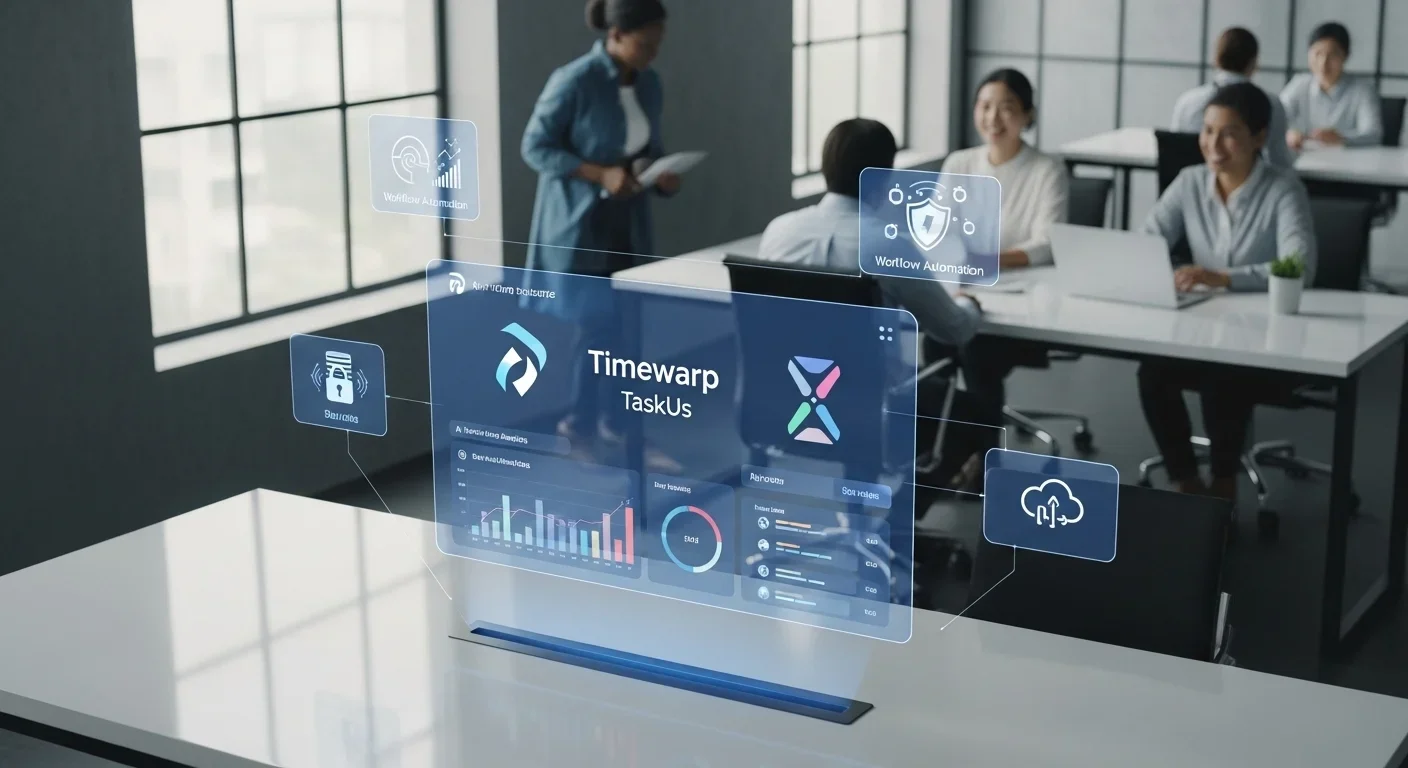
TimeWarp systems often integrate multiple platforms into a single streamlined workflow. Instead of jumping between apps for communication, task management, and reporting, employees can access everything in a unified environment. This alone can save a significant amount of time.
Automation plays a big role as well. Repetitive tasks—like data entry, status updates, or routine responses—can be handled automatically. This frees up employees to focus on more meaningful work that requires human judgment and creativity.
Another important element is real-time analytics. Managers and team members can see how workflows are performing at any given moment. If something isn’t working efficiently, it can be adjusted तुरंत rather than waiting for a monthly review.
Artificial intelligence is increasingly becoming part of the TimeWarp ecosystem. AI can predict workload patterns, suggest optimizations, and even assist in decision-making. For example, it might recommend the best time to assign a task based on an employee’s performance trends.
However, it’s worth noting that technology alone doesn’t guarantee success. Without proper implementation and user adoption, even the most advanced tools can fall short. That’s why TimeWarp emphasizes training and cultural alignment alongside technical solutions.
TimeWarp and Work-Life Balance
At first glance, a system designed to increase productivity might seem like it would lead to more pressure. But when implemented correctly, TimeWarp can actually improve work-life balance.
One of the main reasons is efficiency over effort. By eliminating wasted time, employees can complete their work faster without extending their working hours. This creates more room for rest, personal activities, and overall well-being.
TimeWarp also promotes better time awareness. When employees understand how their time is being used, they can make more intentional choices about their work habits. This can lead to healthier routines and fewer instances of overworking.
Another factor is reduced stress. Disorganized workflows and unclear expectations are major sources of workplace anxiety. TimeWarp addresses these issues by providing structure and clarity, making the workday more predictable and manageable.
There’s also a cultural aspect. Organizations that adopt TimeWarp often prioritize sustainable productivity rather than constant hustle. This shift in mindset encourages employees to focus on quality rather than quantity.
In the long run, this approach can lead to lower burnout rates and higher job satisfaction. And from a business perspective, that translates into better retention and stronger performance.
Challenges and Limitations of TimeWarp
While TimeWarp offers many benefits, it’s not without its challenges. Like any system, its effectiveness depends on how it’s implemented and maintained.
One common issue is resistance to change. Employees who are used to traditional workflows may find it difficult to adapt to a new system. Without proper training and communication, this resistance can slow down adoption.
Another challenge is over-optimization. In some cases, organizations may focus too much on efficiency metrics and lose sight of the human element. Productivity should never come at the cost of creativity or employee well-being.
There’s also the risk of data overload. With so many metrics and insights available, it’s easy to become overwhelmed. The key is to focus on the most relevant data rather than trying to track everything.
Implementation can also be complex. Integrating multiple systems, training teams, and refining workflows takes time and effort. It’s not an overnight solution—it requires ongoing commitment.
Despite these challenges, most of them can be addressed with thoughtful planning and a balanced approach. The goal should always be to enhance work, not complicate it.
The Future of TimeWarp in the Workplace
As workplaces continue to evolve, systems like TimeWarp are likely to become even more relevant. The shift toward remote and hybrid work has made efficient time management a top priority for many organizations.
In the future, we can expect TimeWarp to become more personalized. Instead of applying the same system to everyone, it will adapt to individual work styles and preferences. This will make it even more effective and user-friendly.
Advancements in AI and machine learning will also play a bigger role. These technologies can provide deeper insights and more accurate predictions, helping teams optimize their workflows in real time.
Another trend is the integration of well-being metrics. Productivity will no longer be measured solely by output—it will also consider factors like stress levels, engagement, and overall satisfaction.
TimeWarp may also expand beyond traditional work environments. Freelancers, entrepreneurs, and even students could benefit from similar systems to manage their time more effectively.
Ultimately, the future of TimeWarp is about balance—combining efficiency with flexibility, and performance with well-being.
Conclusion: Is TaskUs TimeWarp Worth It?
TaskUs TimeWarp isn’t just another productivity buzzword—it’s a practical approach to solving real workplace challenges. By focusing on efficiency, clarity, and continuous improvement, it offers a smarter way to manage time and tasks.
What makes it particularly valuable is its adaptability. Whether you’re part of a large organization or working independently, the principles behind TimeWarp can be applied in various contexts.
That said, it’s not a magic solution. Success depends on thoughtful implementation, ongoing refinement, and a genuine commitment to improving how work gets done.
If used correctly, TimeWarp can transform not just productivity, but the entire work experience. It helps people do more meaningful work in less time—without sacrificing quality or well-being.
And in a world where time is one of the most valuable resources, that’s a pretty powerful advantage.