

Introduction
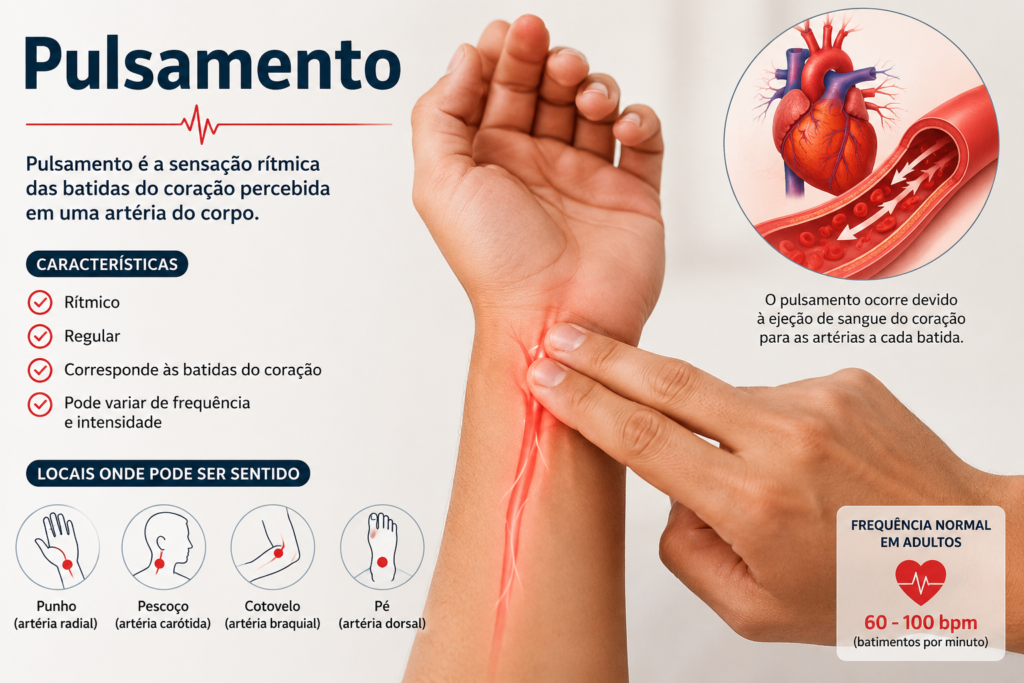
The word “pulsamento” carries a unique sense of rhythm, movement, and emotional energy. Although it may sound unfamiliar to some people, the concept behind pulsamento has deep roots in human expression, creativity, and even physical experience. At its core, pulsamnto relates to pulse, vibration, motion, and the invisible force that drives continuity in life, art, and emotion. Whether it is connected to music, emotional intensity, artistic performance, or the rhythm of daily living, pulsament reflects something dynamic and alive.
In modern discussions, pulsamento is increasingly associated with artistic flow, emotional resonance, and the energetic pulse that keeps systems, ideas, and people connected. It is not merely a technical term. Instead, it represents a feeling—a constant movement that gives depth and vitality to experiences. Many creators, musicians, and thinkers use the idea of pulsamento to describe moments when emotion and rhythm become perfectly aligned.
The beauty of pulsamnto lies in its versatility. It can be interpreted differently depending on the field or context. In music, it may refer to rhythmic pulse and emotional timing. In literature and art, it can symbolize emotional intensity and momentum. In everyday life, it may describe the inner drive that keeps individuals motivated and connected to their goals. This broad interpretation is what makes pulsaento such an interesting and meaningful subject to explore.
The Origin and Meaning of Pulsamento
The term pulsamento appears to stem from ideas connected to pulse, heartbeat, vibration, and rhythmic movement. Linguistically, it shares similarities with words derived from Latin roots associated with striking, beating, or pulsating. These origins immediately suggest something active and alive rather than static or passive.
Historically, many cultures have viewed rhythm as an essential part of existence. Human life itself is built around pulses: the heartbeat, breathing patterns, natural cycles, and recurring emotional states. Pulsamento can therefore be understood as the representation of these continuous movements. It symbolizes continuity and flow, reminding us that life rarely remains motionless.
In artistic settings, pulsmento often represents emotional rhythm. Artists and performers sometimes describe certain works as having a strong pulsmento because they feel alive and emotionally charged. A painting with intense movement, a musical composition with compelling rhythm, or a piece of writing filled with emotional flow can all be described through this concept.
What makes pusamento fascinating is that it combines physical sensation with emotional depth. People do not simply observe pulsamnto; they feel it. That emotional connection transforms it from an abstract idea into a lived experience. This is one reason why the concept continues to attract attention in creative and intellectual circles.
Pulsamento in Music and Rhythm

Music is perhaps the most natural environment for understanding pulsamento. Every musical composition depends on rhythm and pulse. Without these elements, music loses structure, emotion, and direction. Pulsamnto in music represents the driving force that carries melodies forward and creates emotional engagement for listeners.
A strong rhythmic pulse can completely transform the experience of a song. Even simple melodies become memorable when they possess compelling pulsaento. Musicians often speak about “feeling the pulse” because rhythm is not just heard—it is physically experienced through movement and emotion. This explains why people instinctively tap their feet, nod their heads, or dance when listening to music with a strong rhythmic presence.
In classical music, pulsaento may appear through carefully controlled timing and emotional pacing. Conductors and composers understand that rhythm influences emotional response. A slow, deliberate pulse creates tension or reflection, while faster pulsations generate excitement and urgency. The emotional impact of music often depends more on rhythmic movement than on melody alone.
Modern music genres rely heavily on pulsamento as well. Electronic music, hip-hop, pop, and Latin styles all emphasize strong rhythmic structures that create immersive experiences. Producers carefully shape beats and timing to maintain energy throughout a track. In these genres, pulsamnto becomes the heartbeat of the music itself.
Musicians also understand that pulsmento is not limited to technical rhythm. It includes emotional timing, pauses, intensity, and expressive delivery. A technically perfect performance without emotional pulsaento may feel lifeless. On the other hand, imperfect performances filled with genuine energy often leave stronger emotional impressions on audiences.
The Emotional Power Behind Pulsamento
One of the most compelling aspects of pulsamento is its emotional dimension. Human beings naturally respond to rhythm and movement because they mirror internal emotional patterns. Excitement, anxiety, happiness, and passion all influence the body’s rhythms, including heartbeat and breathing. Pulsaento reflects these emotional states in expressive form.
When people encounter strong emotional experiences, they often describe sensations connected to movement or vibration. They may say their heart raced, emotions surged, or energy flowed through them. These descriptions align closely with the concept of pulsmento. It represents emotional energy in motion rather than emotion in isolation.
This emotional quality explains why pulsaento is so important in storytelling and performance. Writers, actors, and speakers create engagement by controlling emotional rhythm. Moments of silence, sudden intensity, gradual tension, and emotional release all contribute to the pulamento of a narrative. Skilled creators know how to guide audiences through emotional waves that feel natural and compelling.
Relationships between people also involve pulsamento. Conversations, emotional connections, and shared experiences often develop their own rhythm. Healthy communication frequently depends on emotional flow and responsiveness. When interactions lose rhythm or emotional movement, they can begin to feel disconnected or forced.
The emotional significance of pulsamento also appears in personal motivation. Individuals often experience periods of momentum where creativity, confidence, and productivity seem naturally connected. This internal rhythm creates a sense of progress and purpose. Losing that rhythm can lead to stagnation, while rediscovering it often brings renewed energy and inspiration.
Pulsamento in Art and Creative Expression
Creative expression depends heavily on movement, flow, and emotional intensity, making pulsamento highly relevant in artistic fields. Artists across different disciplines use rhythm and dynamic energy to create engaging experiences that capture attention and provoke emotional reactions.
In visual art, pulsamento may appear through color patterns, brush movement, composition, or repeated forms that create visual rhythm. Paintings with strong movement often feel alive because the viewer’s eyes naturally follow energetic patterns across the canvas. Abstract art frequently relies on pulsamento to communicate emotion without using literal imagery.
Dance provides another excellent example. Dancers express pulsamento physically through body movement, timing, and emotional performance. Every gesture contributes to the overall pulse of the performance. Audiences may not consciously analyze these movements, but they instinctively respond to the rhythm and emotional energy they create.
Literature also demonstrates pulsamento through sentence structure, pacing, and emotional development. Skilled writers understand that rhythm exists even in language. Short, rapid sentences can create urgency and tension, while slower descriptive passages encourage reflection. Great storytelling often depends on controlling this emotional and rhythmic flow.
Film directors similarly use pulsamento through editing, sound design, pacing, and visual composition. Action scenes depend on rapid rhythmic intensity, while emotional scenes may rely on slower pacing and subtle movement. The rhythm of cinematic storytelling shapes audience emotions throughout the viewing experience.
Ultimately, pulsamento gives creative works vitality. Without movement or emotional rhythm, artistic creations may appear technically impressive but emotionally empty. Pulsamento bridges technique and emotional authenticity, allowing art to feel genuinely alive.
The Connection Between Pulsamento and Human Psychology
Psychology provides another interesting perspective on pulsamento. Human beings naturally seek rhythm and predictability because these patterns create comfort and understanding. From infancy, people respond to rhythmic experiences such as heartbeat sounds, rocking motions, and repetitive sounds.
This connection between rhythm and psychology continues throughout life. Daily routines, habits, and emotional cycles all operate according to forms of pulsamento. Individuals often perform better when they establish healthy rhythms in sleep, work, exercise, and social interaction. Disrupted rhythms can negatively affect emotional and mental well-being.
Psychologists also recognize the importance of flow states, where individuals become deeply engaged in activities and lose awareness of time. These experiences strongly resemble pulsamento because they involve continuous momentum and emotional alignment. During flow states, thoughts, actions, and emotions move together smoothly.
Music therapy and movement therapy demonstrate practical applications of these principles. Rhythmic activities can reduce stress, improve mood, and support emotional healing. Drumming circles, dance therapy, and guided breathing exercises all use forms of pulsamento to create emotional balance and psychological connection.
Social psychology further highlights the importance of shared rhythms. Communities often strengthen social bonds through synchronized activities such as music, ceremonies, sports, or collective celebrations. Shared pulsamento creates feelings of unity and belonging because people experience emotional movement together.
The psychological importance of pulsamento reminds us that rhythm is not simply entertainment or artistic decoration. It is deeply connected to how human beings process emotion, connection, and meaning.
Pulsamento in Modern Culture
Modern culture increasingly values speed, stimulation, and constant activity. In this environment, pulsamento appears in countless forms, from digital media and entertainment to fashion, technology, and social communication. Contemporary society thrives on movement and rapid emotional engagement.
Social media platforms, for example, operate through continuous streams of content designed to maintain attention and emotional stimulation. Viral trends, short videos, and rapid information cycles all depend on maintaining a strong cultural pulse. The constant movement of modern digital life reflects a collective form of pulsamento.
Fashion trends also evolve through rhythmic cultural cycles. Styles rise and fall in popularity according to shifting emotional energies within society. Designers often attempt to capture the “pulse” of a generation by responding to current emotions, social movements, and cultural attitudes.
Sports and entertainment industries similarly rely on pulsamento to maintain audience engagement. Excitement, suspense, momentum shifts, and emotional highs create immersive experiences that keep people emotionally invested. Fans often describe intense events as electric or energetic because they experience collective emotional pulsation.
Even workplace culture has begun emphasizing rhythm and balance. Productivity experts frequently discuss routines, energy management, and maintaining momentum. Successful individuals often organize their lives around sustainable rhythms rather than constant exhaustion. This modern focus reflects growing recognition of the importance of healthy pulsamento in personal and professional life.
At the same time, modern society can sometimes create overwhelming or unhealthy rhythms. Constant notifications, nonstop information, and social pressure may disrupt natural emotional balance. This has led many people to seek slower, more intentional forms of pulsamento through mindfulness, meditation, creative hobbies, and nature experiences.
Why Pulsamento Matters Today
Pulsamento matters because it represents connection, movement, and emotional authenticity in a world that often feels fragmented and distracted. People increasingly seek experiences that feel real, emotionally engaging, and meaningful. Pulsamento provides a framework for understanding why certain experiences resonate so deeply.
In creative industries, understanding pulsamento helps artists connect more effectively with audiences. Emotional rhythm creates memorable experiences that remain meaningful long after the experience ends. This principle applies to music, storytelling, visual arts, and performance alike.
In personal life, recognizing the importance of rhythm can improve emotional health and productivity. Individuals who maintain healthy emotional and physical rhythms often experience greater stability and motivation. Understanding personal pulsamento may help people identify what energizes them and what disrupts their balance.
Businesses and brands also benefit from understanding cultural pulsamento. Companies that successfully connect with emotional and social rhythms tend to build stronger relationships with audiences. Marketing campaigns, product launches, and public messaging often succeed because they align with current emotional energies within society.
Most importantly, pulsamento reminds people that life is dynamic rather than static. Growth, creativity, relationships, and emotional development all involve movement. Trying to remain completely fixed or controlled often leads to frustration and emotional disconnection. Accepting rhythm and change can create greater resilience and adaptability.
As technology continues to shape human experiences, maintaining meaningful forms of pulsamento may become even more important. Genuine emotional connection, creativity, and human interaction depend on rhythms that technology alone cannot fully replace.
The Future of Pulsamento
Looking ahead, the concept of pulsamento is likely to become increasingly relevant across multiple fields. As society becomes more digitally connected, people may place greater value on authentic emotional experiences and human-centered rhythms.
Artificial intelligence, virtual reality, and immersive technologies are already changing how people experience music, entertainment, and communication. Designers and creators are exploring ways to create emotionally responsive systems that adapt to human rhythms and preferences. Future technologies may attempt to simulate or enhance forms of pulsamento to create deeper emotional engagement.
Education may also benefit from greater understanding of rhythm and emotional flow. Learning experiences that align with natural attention patterns and emotional engagement could become more effective than rigid instructional models. Teachers and educational designers increasingly recognize the importance of pacing, interaction, and emotional energy in learning environments.
Healthcare and wellness industries are similarly exploring rhythm-based approaches to emotional and physical health. Sleep science, breathing techniques, movement therapy, and mindfulness practices all reflect growing awareness of the importance of healthy human rhythms.
Creative industries will likely continue embracing pulsamento as audiences demand more immersive and emotionally authentic experiences. Whether through music festivals, interactive media, or storytelling innovations, creators will continue searching for ways to capture emotional pulse and movement.
Ultimately, the future of pulsamento lies in its ability to connect people with what feels alive, meaningful, and emotionally real. In a rapidly changing world, that connection may become more valuable than ever.
Conclusion
Pulsamento is far more than a simple word or abstract concept. It represents rhythm, movement, emotional energy, and the invisible forces that shape human experiences. From music and art to psychology and modern culture, pulsamento appears wherever life feels dynamic and emotionally alive.
Its significance comes from its universality. Every person experiences rhythm through heartbeat, emotion, communication, creativity, and daily living. Pulsamento reflects the natural flow that connects physical sensation with emotional meaning. It explains why certain songs move us deeply, why some performances feel unforgettable, and why emotional momentum matters in every area of life.
In creative expression, pulsamento gives art vitality and emotional authenticity. In psychology, it reveals the importance of rhythm and flow for mental and emotional well-being. In modern society, it helps explain cultural trends, digital engagement, and the search for meaningful experiences.
Perhaps most importantly, pulsamento reminds us that life itself is built on movement. Nothing meaningful remains completely static. Growth, connection, creativity, and emotion all require rhythm and change. Understanding pulsamento allows people to appreciate the deeper energy that drives human experiences and keeps them emotionally connected to the world around them.
As culture and technology continue evolving, pulsamento will remain a powerful reminder of what makes experiences feel genuine, alive, and emotionally resonant.