
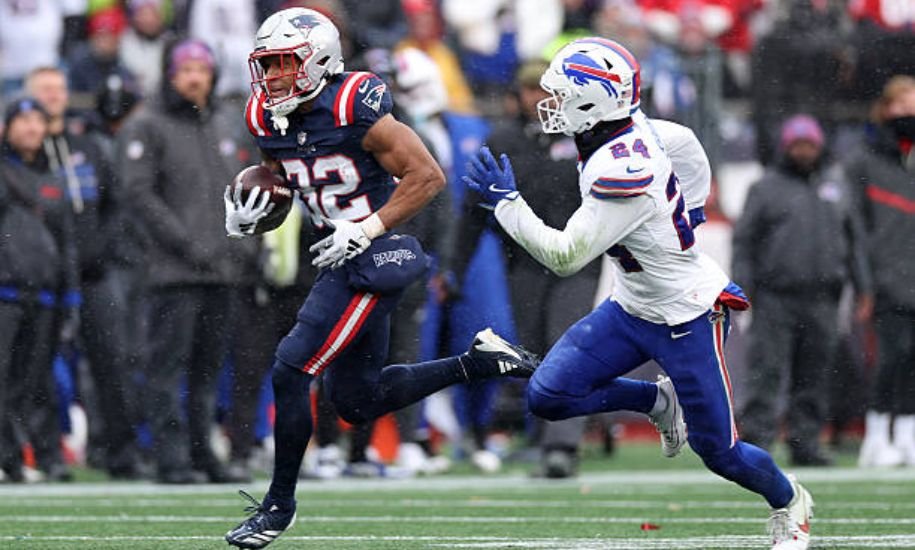

When two historic AFC East rivals like the Buffalo Bills and the New England Patriots meet on the field, you already know it’s not just another regular-season matchup. It’s a battle built on years of division rivalry, tactical chess matches, defensive grit, and quarterback storylines Buffalo Bills vs New England Patriots Match Player Stats that have shaped the NFL landscape.
But beyond the hype, what really tells the story is the player stats. Numbers don’t lie, and in this matchup, they reveal everything from offensive efficiency to defensive dominance and individual brilliance under pressure. In this article, we’ll break down the game in detail, focusing on player performances, Buffalo Bills vs New England Patriots Match Player Stats key stats, and how each unit shaped the outcome.
Match Overview: A Rivalry Built on Intensity and Execution
Every Bills vs Patriots game carries a certain weight, and this one was no different. Buffalo Bills vs New England Patriots Match Player Stats Both teams entered the matchup with playoff implications and something to prove—Buffalo aiming to assert offensive dominance, and New England looking to rely on structured defense and disciplined execution.
From the opening drive, the tempo was set quickly. Buffalo leaned into a fast-paced offensive rhythm, while New England countered with a controlled, possession-based approach. The contrast in styles made the game a fascinating back-and-forth contest rather than a one-sided affair.
Statistically, the game reflected a tight contest in yardage, time of possession, and third-down conversions. Neither team ran away with it, Buffalo Bills vs New England Patriots Match Player Stats which is exactly what fans expect from this rivalry. Instead, small moments and individual performances created the separation on the scoreboard.
Quarterback Performance: Command, Pressure, and Decision-Making
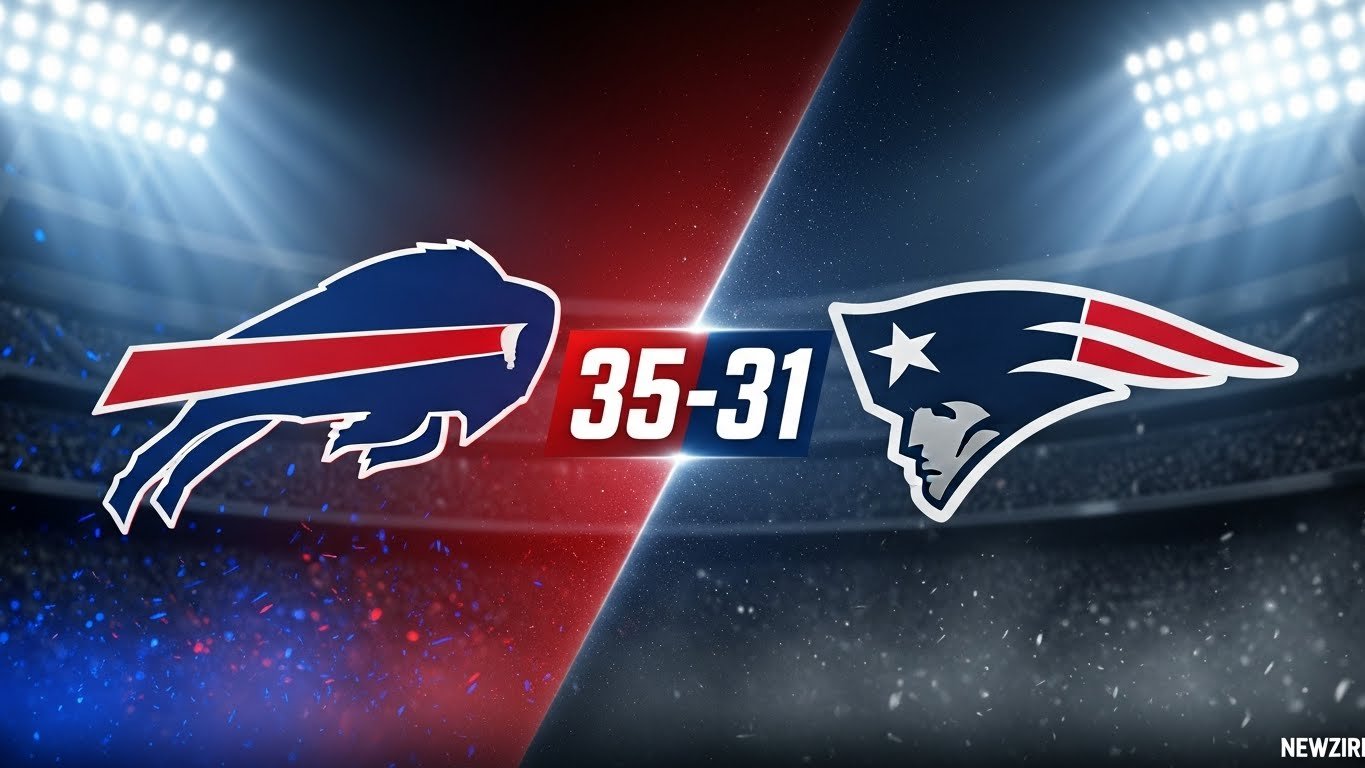
Quarterback play is always the centerpiece of any NFL matchup, Buffalo Bills vs New England Patriots Match Player Stats and this game was no exception. For Buffalo, their signal-caller showed strong pocket awareness and aggression downfield. He consistently pushed the ball into intermediate zones, attacking New England’s zone coverage with timing throws and quick reads.
On the Patriots’ side, the quarterback performance was more conservative but structured. Short passes, checkdowns, and controlled drives defined their offensive rhythm. While the yardage numbers weren’t explosive, the focus was clearly on minimizing turnovers and maintaining field position.
What stands out statistically is the difference in yards per attempt. Buffalo’s quarterback averaged a higher number, reflecting more aggressive play-calling. Meanwhile, New England’s quarterback had a higher completion rate but fewer explosive plays, highlighting their risk-managed strategy.
Rushing Game Stats: Power vs Balance in the Ground Attack
The rushing battle was one of the most interesting parts of this matchup. Buffalo Bills vs New England Patriots Match Player Stats Buffalo relied heavily on dynamic running backs who could break tackles and create yards after contact. Their ground game wasn’t just about volume—it was about explosive gains at key moments.
One of the Buffalo backs stood out with multiple runs of 10+ yards, showing excellent vision and acceleration through interior gaps. The offensive line also played a key role, creating lanes that allowed consistent four-to-five yard gains on early downs.
New England, however, approached the run game differently. Instead of explosive bursts, they focused on consistency and clock control. Their lead back produced steady gains, Buffalo Bills vs New England Patriots Match Player Stats often keeping drives alive on second and third downs. While they lacked big breakout runs, their efficiency kept the offense balanced.
Statistically, Buffalo had the edge in total rushing yards and yards per carry, but New England held its own in short-yardage conversions, especially in red zone situations.
Receiving Stats: Separation, Yards After Catch, and Big Plays
The passing game was where Buffalo truly showed its firepower. Their top receivers consistently found separation against man coverage, turning short throws into significant gains after the catch. One wide receiver in particular had a standout performance, leading the game in receiving yards and recording multiple explosive plays over 20 yards.
Buffalo’s tight ends also contributed heavily, especially in intermediate routes across the middle of the field. Their ability to sit in soft zones and gain yards after the catch added another layer to the offense.
New England’s receiving stats told a different story. Instead of explosive plays, their receivers focused on short, precise route execution. Slants, curls, and quick outs dominated their passing chart. While this limited their yardage totals, it helped maintain efficiency and reduced turnover risk.
One notable difference in the stats was yards after catch (YAC). Buffalo significantly outperformed New England in this category, highlighting their speed and playmaking ability once the ball was in space.
Defensive Player Stats: Pressure, Tackles, and Game Control
Defense is where games like this are often decided, and both teams brought strong performances on that side of the ball.
Buffalo’s defense showed strong pass-rushing ability, recording multiple quarterback pressures and a few key sacks at critical moments. Their defensive line consistently disrupted timing, Buffalo Bills vs New England Patriots Match Player Stats forcing hurried throws and limiting deep passing opportunities.
Linebacker performance was also a highlight for Buffalo. High tackle counts, especially in run support, showed their ability to contain New England’s ground game. One linebacker stood out with double-digit tackles and multiple stops behind the line of scrimmage.
New England’s defense, as expected, played a disciplined and structured game. While they didn’t generate as many sacks, they excelled in coverage discipline. Their secondary limited deep passing plays and forced Buffalo into longer, methodical drives.
Statistically, New England had more pass breakups, while Buffalo had more sacks and tackles for loss. This contrast perfectly reflects their defensive philosophies—containment versus disruption.
Special Teams Impact: Hidden Yardage and Field Position Battle
Special teams often get overlooked, but in a tight matchup like this, they played a crucial role. Buffalo’s return game provided better field position throughout the game, giving their offense shorter fields to work with on multiple drives.
Their punter also contributed significantly by pinning New England deep inside their own territory multiple times. This forced the Patriots to start drives with limited space, impacting their offensive rhythm.
New England, meanwhile, remained steady in their kicking game. Field goals were converted cleanly, and kickoff coverage was disciplined. However, they didn’t generate any major momentum-shifting plays in the return game.
From a statistical perspective, Buffalo clearly won the field position battle, which often translates directly into scoring opportunities.
Key Player Comparisons: Who Truly Impacted the Game?
When comparing standout players from both sides, Buffalo’s offensive stars clearly had the bigger statistical impact. Their quarterback-receiver duo accounted for the majority of explosive plays, while their running back unit consistently moved the chains.
On New England’s side, the defensive leaders stood out more than the offense. Their linebackers and safeties were heavily involved in tackles, showing how much time they spent defending against Buffalo’s sustained drives.
One of the key comparisons was third-down efficiency. Buffalo converted a higher percentage of their third downs, largely due to stronger passing execution. New England, however, was more efficient in short-yardage defensive stops, forcing Buffalo into longer drives overall.
In terms of individual stat lines, Buffalo clearly had more players exceeding 50+ yards in their respective categories, while New England had more balanced but lower individual outputs.
Game Turning Points: Where Stats Told the Real Story
Looking deeper into the stats, a few key moments defined the game’s direction. One major turning point came from a long Buffalo touchdown drive that included multiple third-down conversions. This drive alone significantly shifted momentum and widened the statistical gap in total yardage.
Another critical moment was a defensive stop by New England in the red zone. While Buffalo dominated yardage, this stop kept the game competitive and prevented an early blowout.
Turnovers also played a major role. Buffalo’s ability to protect the ball better gave them an advantage in possession time and scoring opportunities. New England’s offense, while efficient, struggled to create explosive responses after defensive stops.
Statistically, these turning points show how small margins—third-down success, red zone efficiency, and turnovers—can shape the entire outcome of a rivalry game.
Offensive vs Defensive Balance: Who Controlled the Game?
When breaking down overall control, Buffalo leaned heavily on offensive production, while New England relied on defensive structure. This contrast defined the entire matchup.
Buffalo’s offense produced more total yards, more explosive plays, and higher yards per play. Their ability to stretch the field vertically created constant pressure on New England’s secondary.
New England’s defense, however, kept them in the game longer than expected. Without their disciplined coverage and tackling efficiency, the game could have tilted much earlier.
From a statistical standpoint, Buffalo controlled the offensive narrative, but New England controlled enough defensive moments to keep the game competitive throughout.
Final Thoughts: What the Stats Really Say About This Rivalry
At the end of the day, this matchup between the Buffalo Bills and the New England Patriots was a classic example of contrasting football philosophies.
Buffalo leaned into explosive offense, dynamic playmakers, and aggressive execution. Their stats reflected big plays, higher yardage, and more offensive versatility.
New England focused on structure, discipline, and minimizing mistakes. Their stats showed efficiency, control, and defensive reliability, even if they lacked explosive offensive output.
What makes this rivalry special is exactly this contrast. Every game becomes a battle between speed and structure, creativity and discipline, risk and control. And even when the stat sheet leans one way, the competitive balance keeps fans engaged until the final whistle.
In the end, the numbers don’t just show who won—they tell the full story of how each team tried to win.